Feeding Firenze-Florence and Pisa

Living the Asymmetrical Life · Foreign Land
A Renaissance Learning JourneyFeeding Firenze
Florence and Pisa through churches, David, Chianti, Machiavelli, and the irresistible proposition of “Pizza On Earth, Good Will Towards Renaissance Man.”
Opening Field Note
“Pizza On Earth, Good Will Towards Renaissance Man.”
A Renaissance learning journey through Florence and Pisa: part pilgrimage, part field lesson, part proof that history becomes more memorable when you feed it.
The Renaissance Learning Path
Six Chapters in the Foreign Land
Open each chapter. The original learning prompts are now visible, touch-friendly question-and-answer ledgers rather than hover-only flashcards.
Chapter 1 · Welcome to Firenze

The New York of the Middle Ages
Money, Medici, Masterpieces
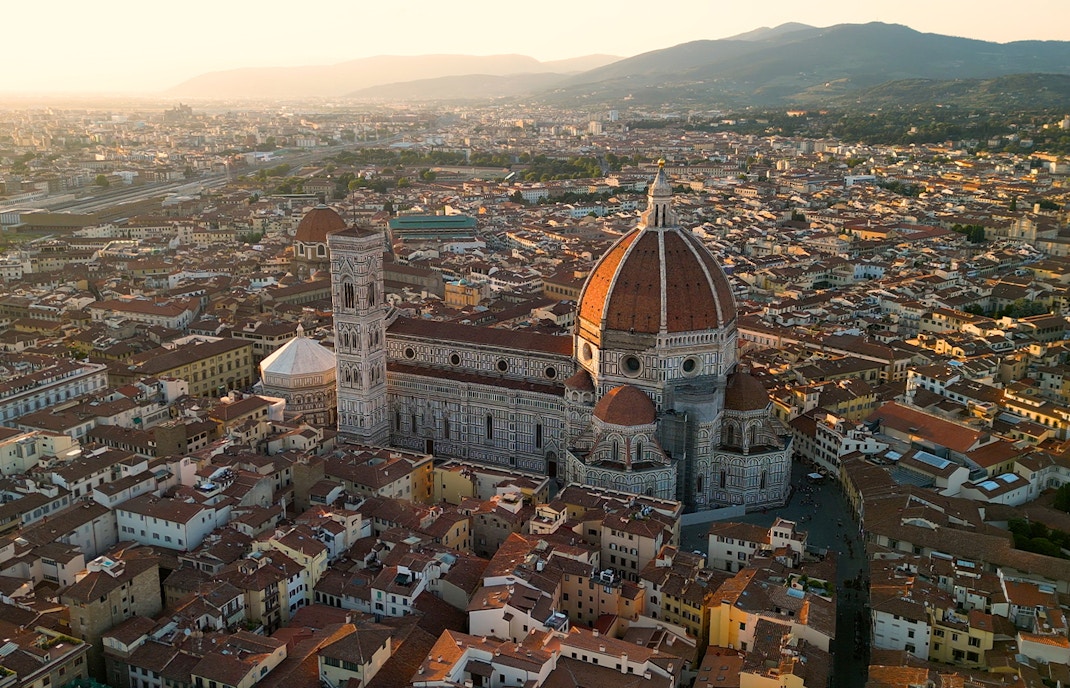
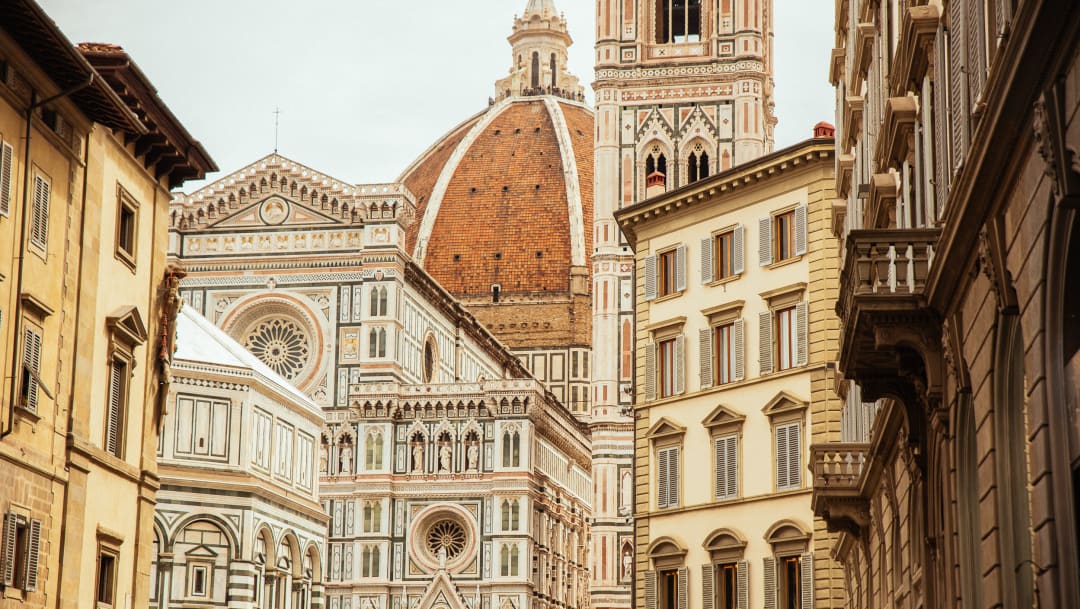
Florence (Firenze) is a beautiful city. Money-centric Florence was the New York of the Middle Ages. The House of Medici, Godfathers of the Renaissance, funded masterpieces everywhere you look.
“Gee it’s great to be Roman Catholic, especially in Italy—Rome Sweet Rome, Florence, and even in Pisa.”
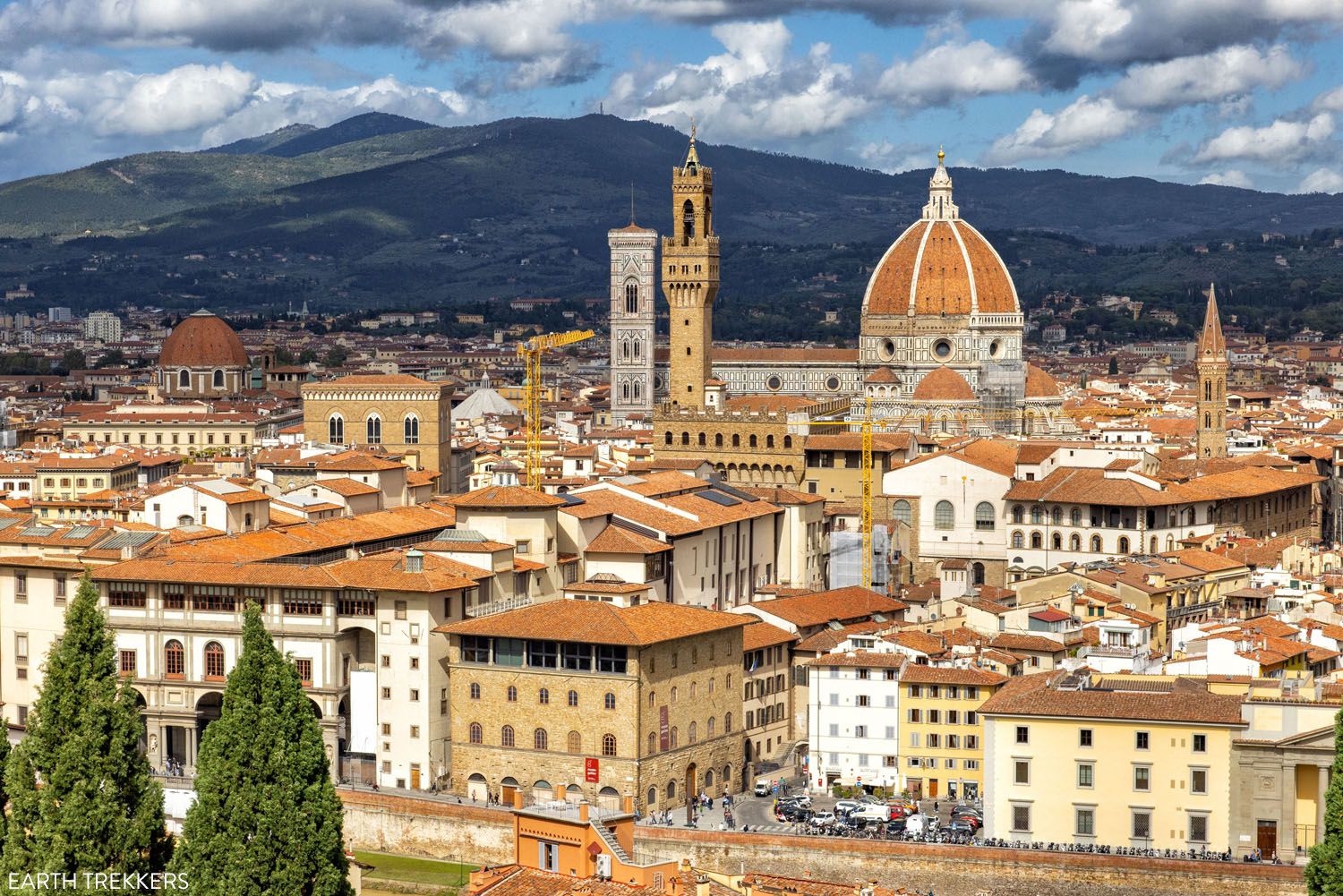
Florence’s nickname?
Firenze Cradle of the Renaissance
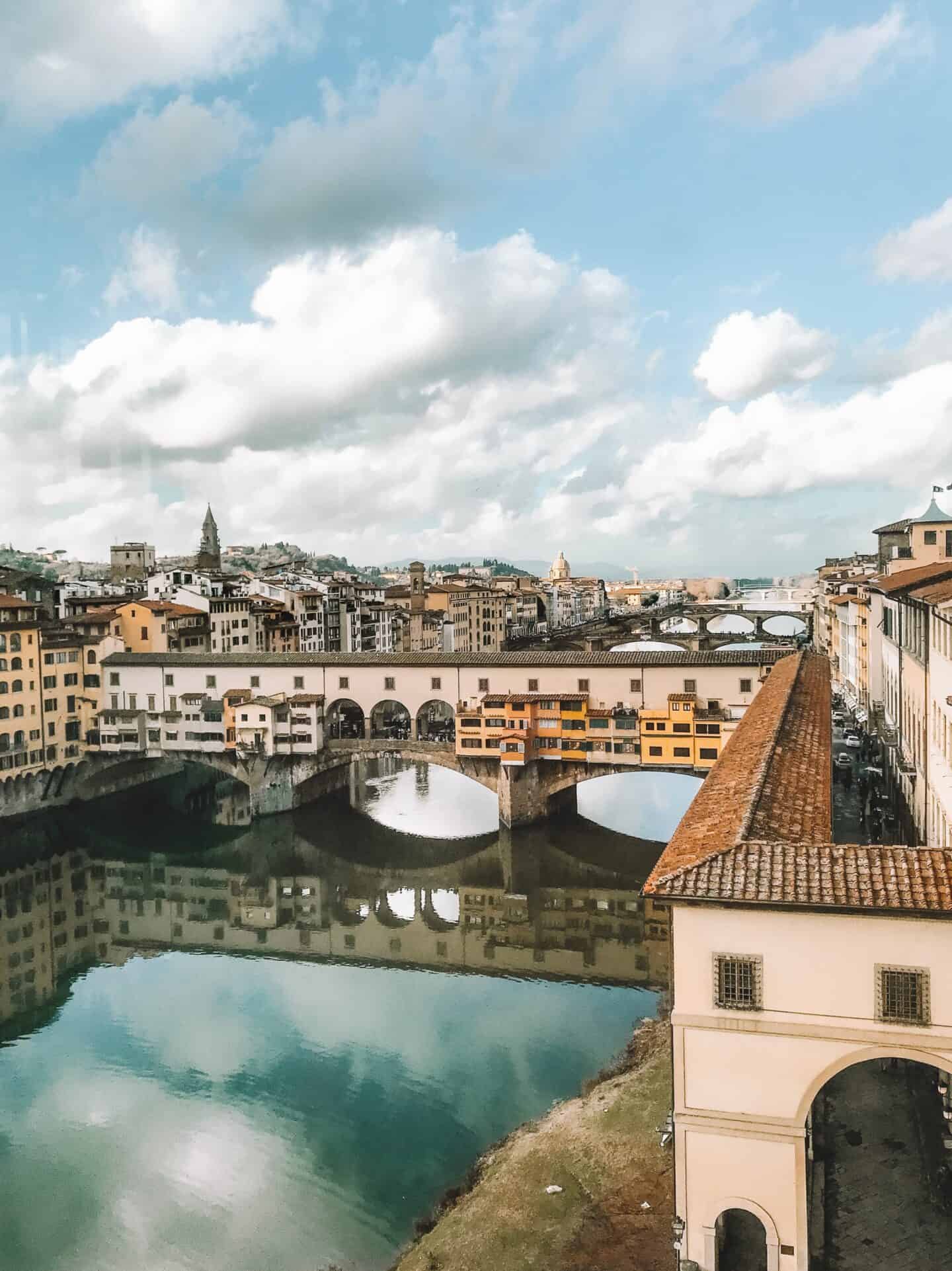
Medieval comparison?
New York of the Middle Ages Financial powerhouse
The Medici Legacy
The House of Medici weren’t just bankers—they were the Godfathers of the Renaissance. Their patronage funded Leonardo, Michelangelo, and countless other masters who transformed art forever.
Chapter 2 · Sacred Discoveries
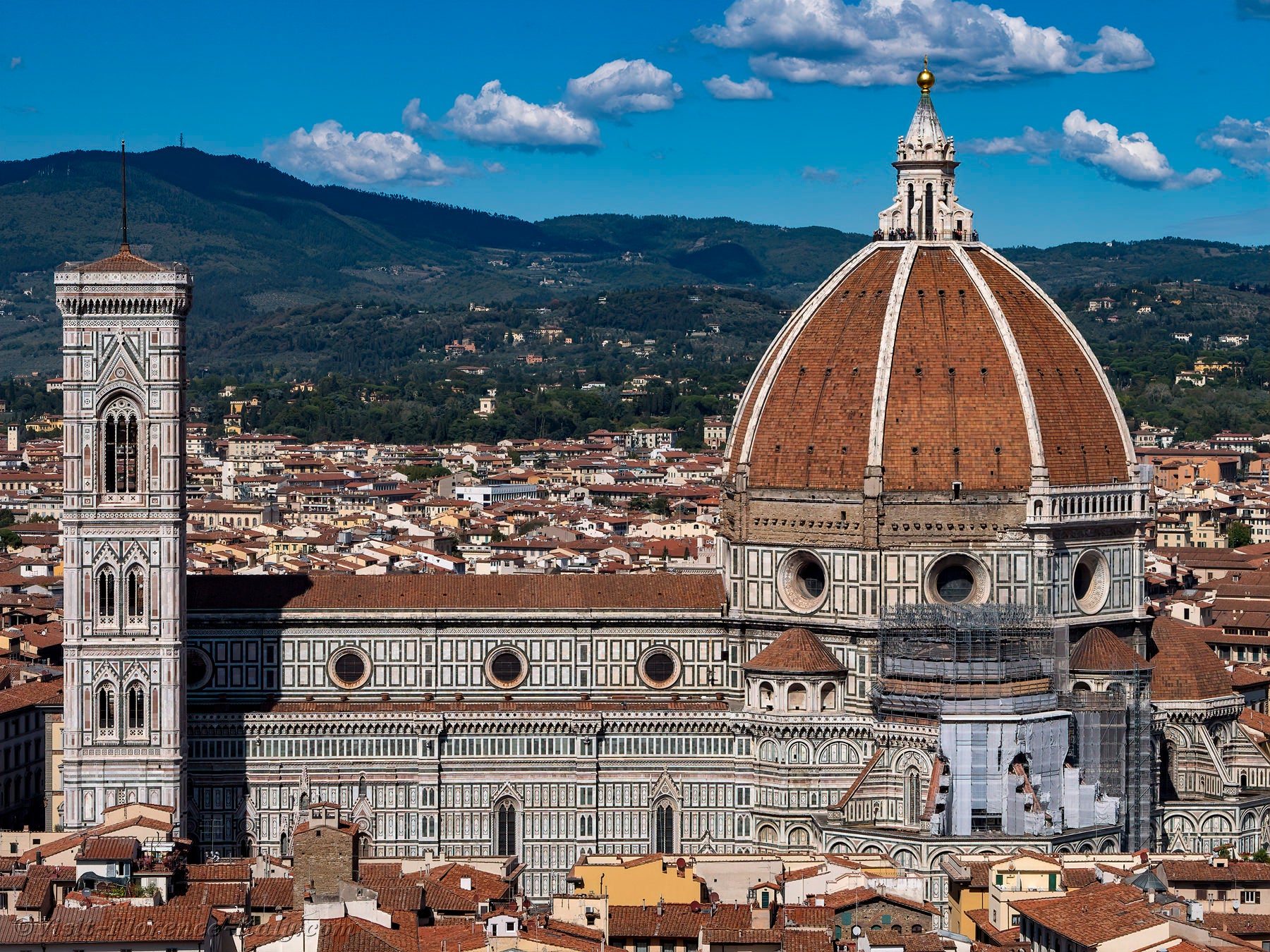
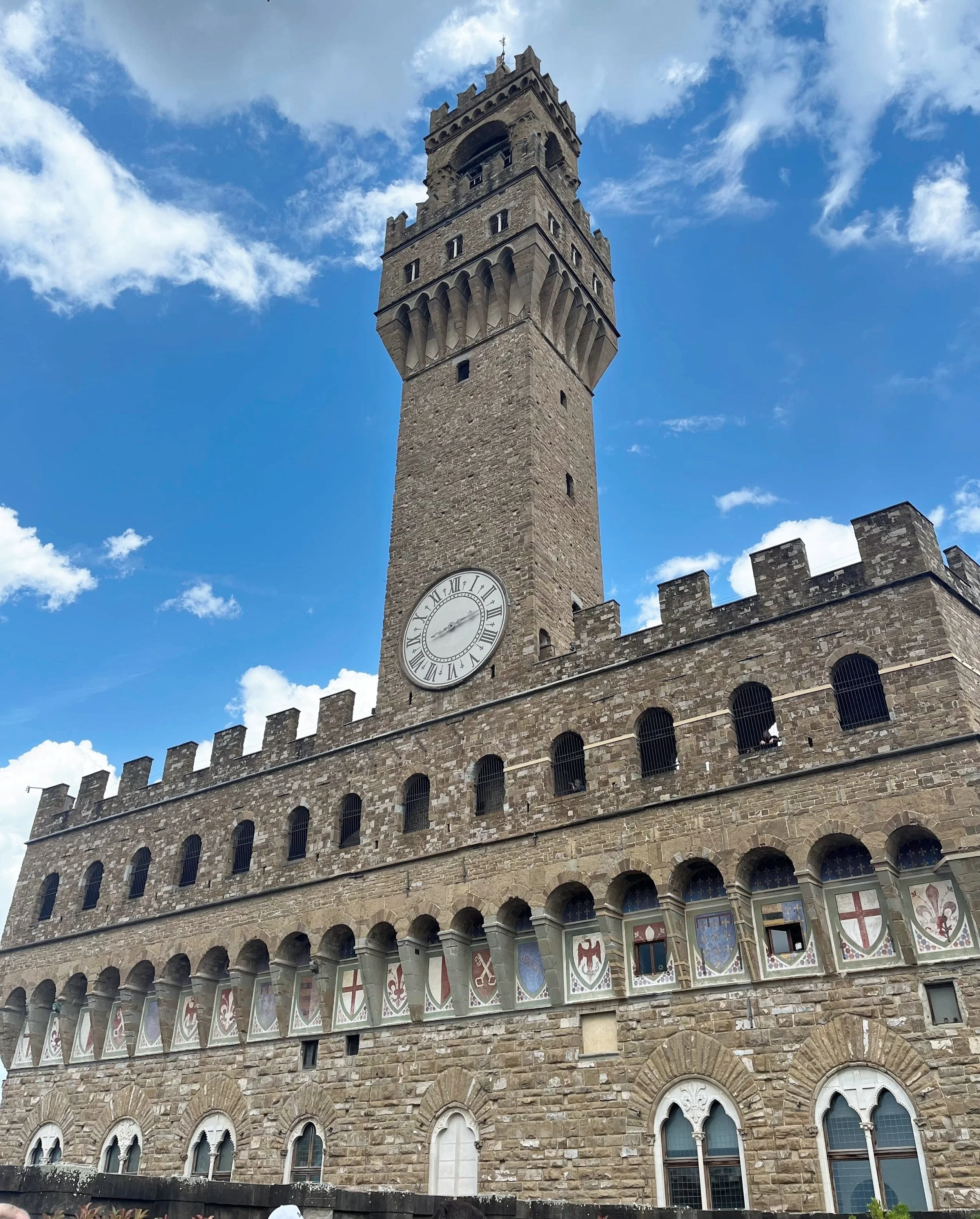
Three Churches, Guaranteed Heaven
Sacred Discoveries
Visited three churches today—so I am definitely going to heaven. Florence’s spiritual architecture tells the story of faith, art, and human aspiration reaching toward the divine.
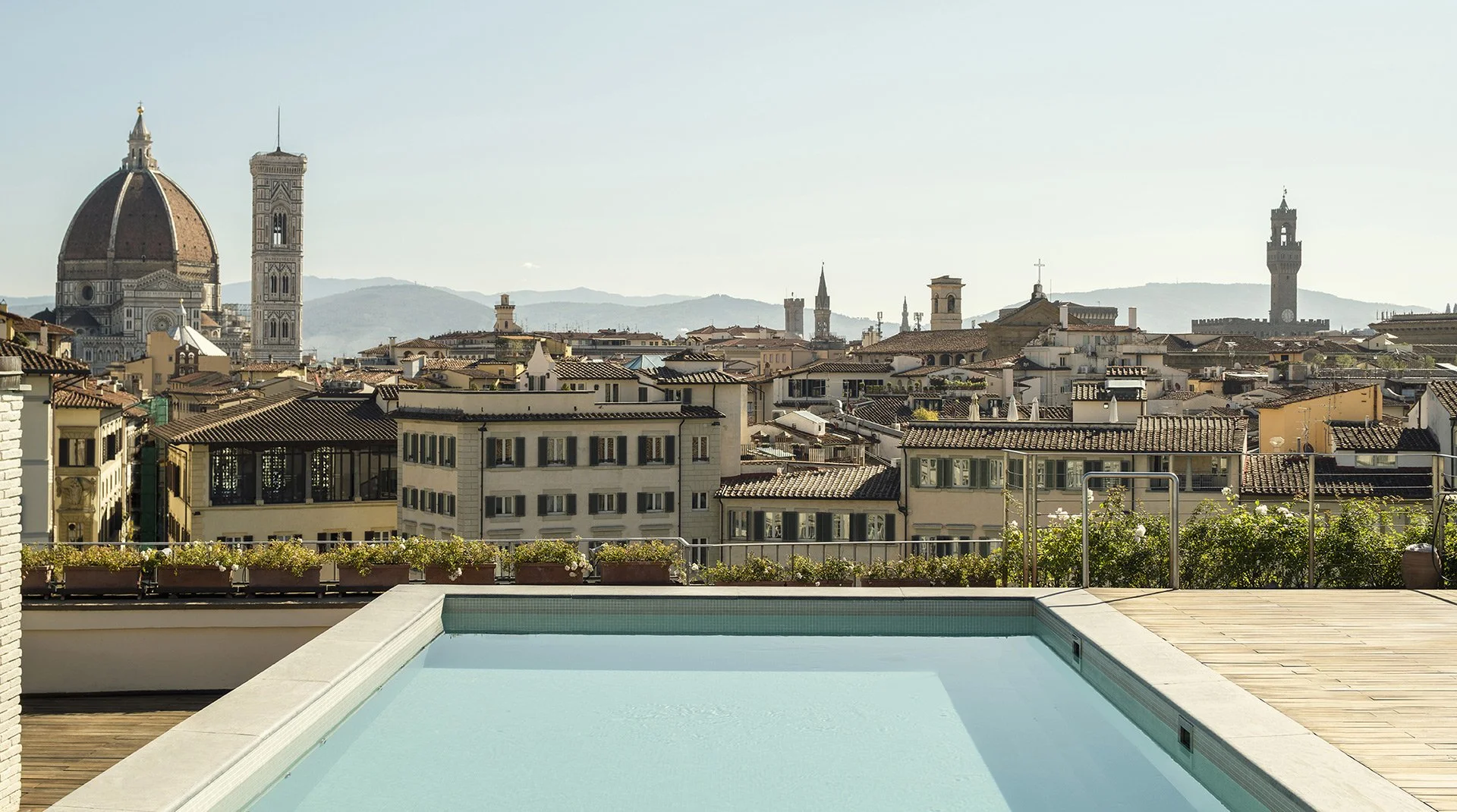
Churches visited?
Three holy sites Heavenly guarantee!
Religious status?
Roman Catholic Perfect for Italy!
Sacred Art
Florence’s churches aren’t just places of worship—they’re galleries of Renaissance masterpieces. Every fresco, every sculpture tells a story of divine inspiration meeting human creativity.
Chapter 3 · Meeting David

Renaissance Fitness Goals
Perfection in Stone
Seeing Michelangelo’s David made me think about body fat—dude’s under 10% even in marble. This masterpiece represents the perfect fusion of classical ideals and Renaissance technique.

David’s body fat?
Under 10% Even in marble!

Artist’s name?
Michelangelo Renaissance master
Perfection in Stone
David stands 17 feet tall, carved from a single block of marble. Michelangelo saw the finished sculpture within the raw stone—he just had to remove everything that wasn’t David. Renaissance fitness goals, indeed!
Chapter 4 · Wine and Wisdom

Chianti and Contemplation
The Culinary Renaissance
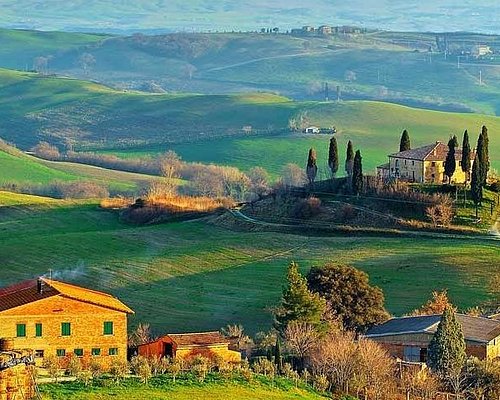
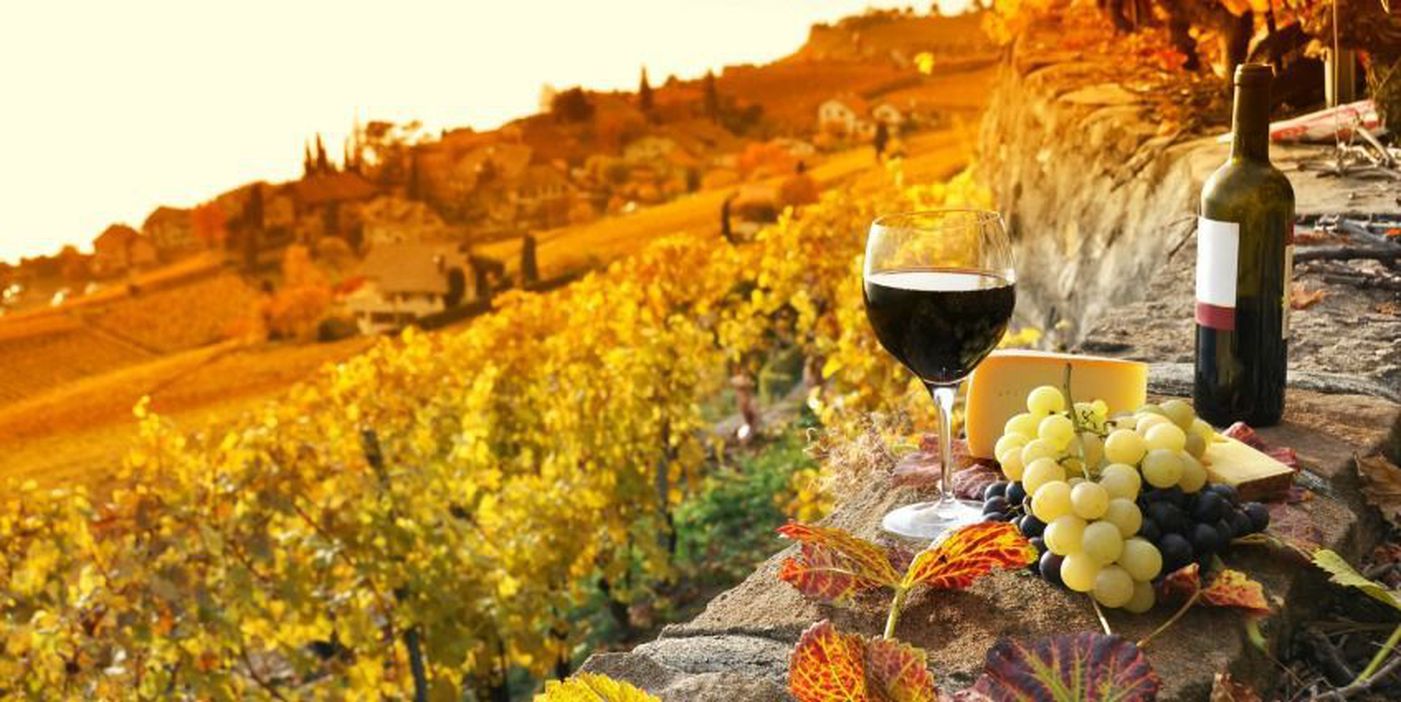
Chianti and veggie lasagna were the appetizers. The rest? Let’s say the wine erased it from memory. Sometimes the best meals are the ones that pair perfectly with philosophical reflection.
Tuscan wine choice?
Chianti Perfect appetizer wine
Memory status?
Wine erased Perfectly Italian!
Tuscan Terroir
Chianti isn’t just wine—it’s liquid history. These vineyards have been producing wine since Etruscan times, each bottle containing centuries of Tuscan soil, sun, and tradition.
Chapter 5 · The Prince’s Lessons
Connecting with Inner Florentine Strategy
What Would Machiavelli Do?
I broke out The Prince and connected with my inner Florentine strategist. WWMD? What Would Machiavelli Do? Here’s some choice wisdom from the master of political realism:
“I’m not interested in preserving the status quo; I want to overthrow it.”Niccolò Machiavelli
“It is much more secure to be feared than to be loved.”Niccolò Machiavelli
“One change always leaves the way open for the establishment of others.”Niccolò Machiavelli
“The ends justify the means.”Niccolò Machiavelli

Famous book?
The Prince Political strategy guide
WWMD meaning?
What Would Machiavelli Do? Strategic thinking!
Renaissance Realism
Machiavelli wasn’t evil—he was a realist. Writing during Florence’s turbulent times, he observed that effective leadership sometimes requires difficult choices. His insights remain relevant for anyone navigating complex situations.
Chapter 6 · UNESCO World Heritage
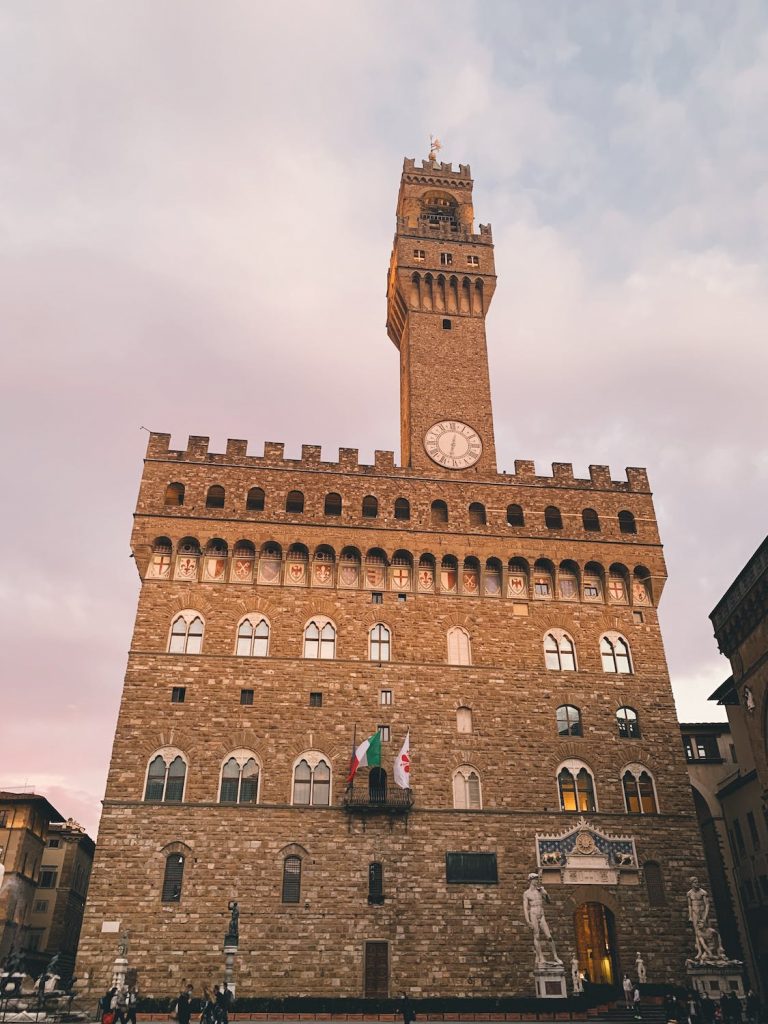
Living Up to the Legend
Natural Wonder Meets Human Artistry
Declared one of the UNESCO World Heritage Sites for its undisputed beauty and the uniqueness of its natural landscape, this region truly lived up to its reputation. Every vista tells a story of natural wonder meeting human artistry.
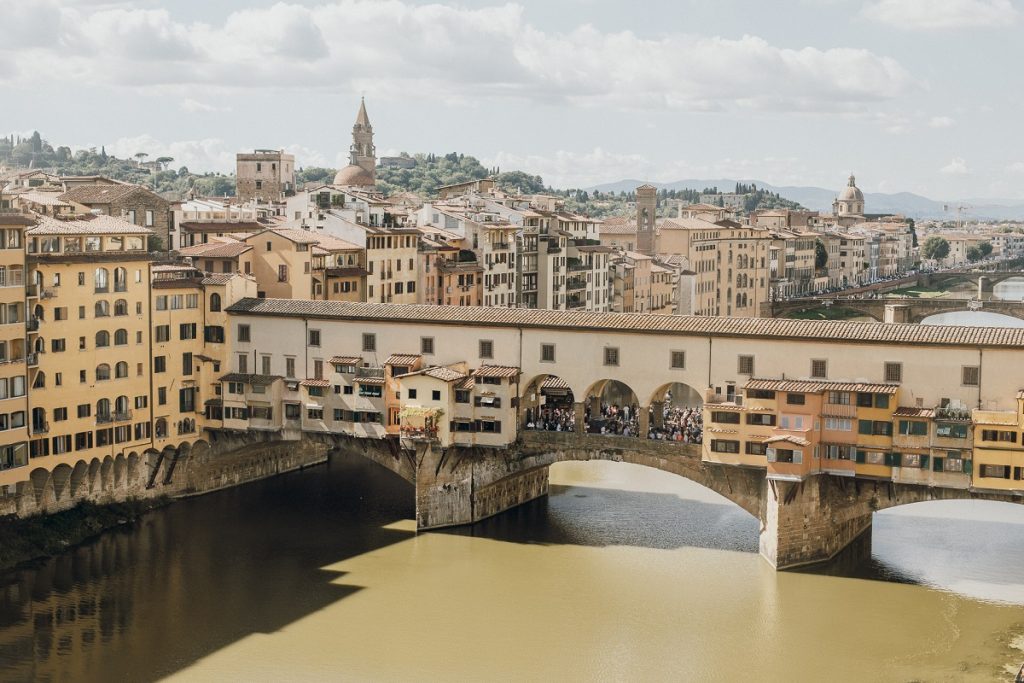
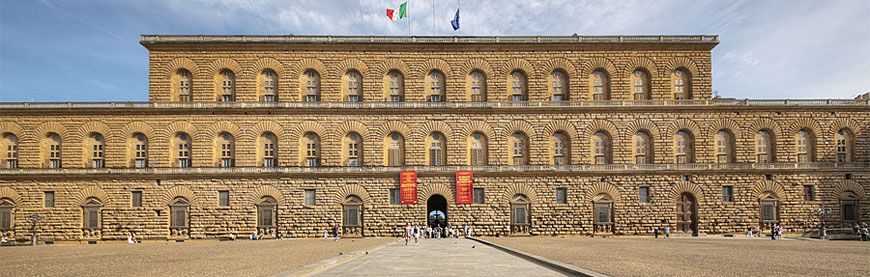
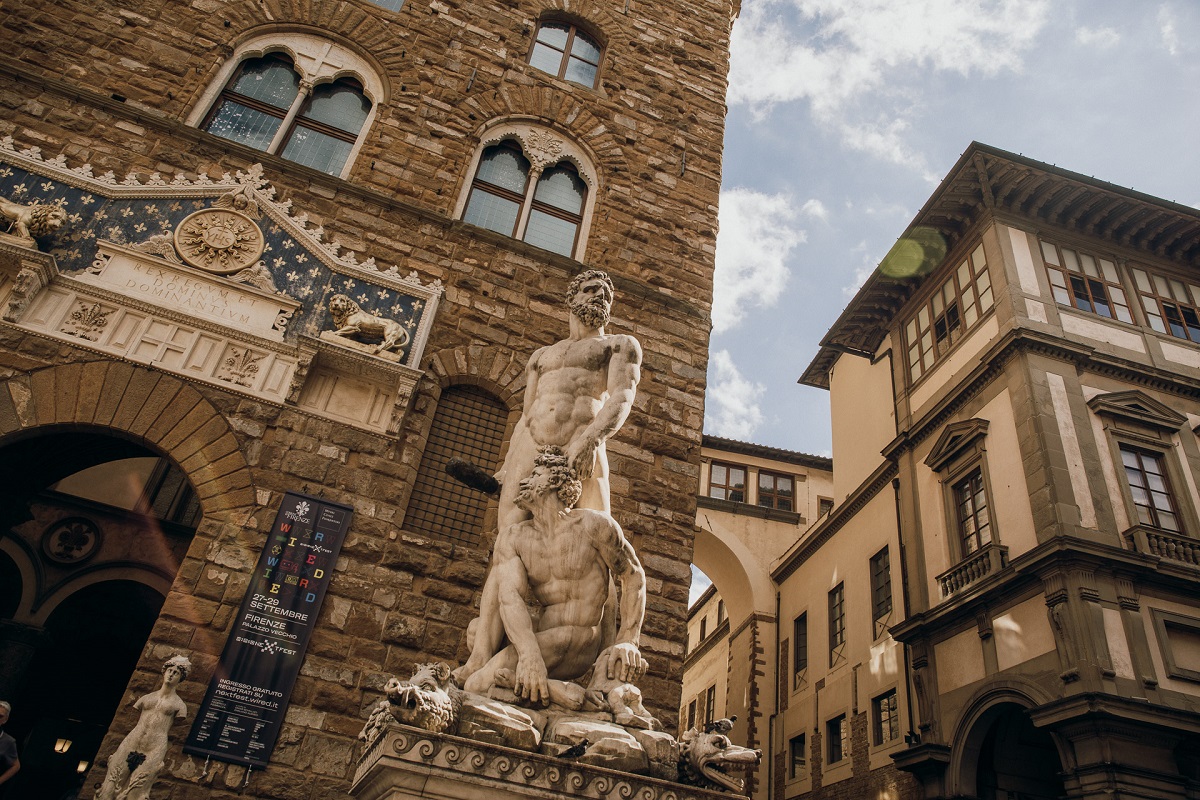

UNESCO status?
World Heritage Site Undisputed beauty
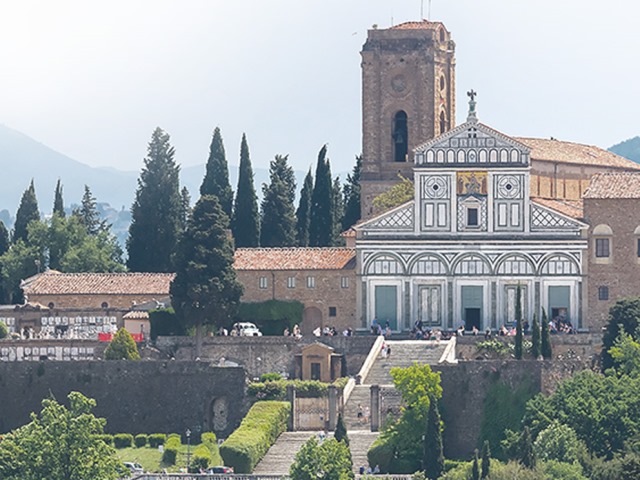
Landscape quality?
Unique and beautiful Lives up to its reputation
Renaissance Legacy
From Florence’s architectural masterpieces to Pisa’s iconic tower, from Tuscan vineyards to coastal wonders—this region represents humanity at its creative peak. The Renaissance spirit lives on in every stone, every vista, every perfect moment of beauty that stops you in your tracks.
“Pizza On Earth, Good Will Towards Renaissance Man.” Sometimes the greatest journeys nourish both body and soul.
Companion Stories · Italy and the Grand Voyage
The Renaissance Route Continues
Follow the Italian passage from Florence to Venice and Rome, then reconnect it to the larger 90-day Grand Voyage.
Venice · High Water
Venice—Gondola Dreams and Acqua Alta
Continue into Venice, where gondola dreams meet acqua alta.
Read Companion StoryRome · Rooftops
Rome Sweet Rome
Move from Florence’s sacred discoveries to another Italian view from above.
Read Companion StoryVenice · Floating City
Picturesque Floating City
Enter Venice by sea and continue the visual journey through Italy.
Read Companion StoryGrand Voyage · 90 Days
90 Daze Grand Voyage
Return this Italian chapter to the larger voyage that carried the story.
Read Companion StoryThe Elixir
Feed the Mind. Feed the Story.
The Renaissance survives because its wager still works: invest attention in beauty, ideas, appetite, and human possibility, and the return can outlive the traveler. Pizza on Earth. Good will toward Renaissance Man.